This is a SEO version of EAZ PLan. Click here to view full version
« Previous Page Table of Contents Next Page »63 Creating Architectural Identity
and the related level of architectural complexity that is usually associated with such building types. One-story and multi-story buildings with regular footprints typically accommodate uses such as medical, research, education, personal services and retail. Large footprint buildings with multiple stories generally focus on larger office and research uses, while in contrast, those that are one story typically incorporate light manufacturing, clean assembly, distribution and warehouse uses. Because of the significant size, some aesthetic requirements may be more liberally applied for manufacturing-type structures. The land use component of the EAZ Plan, however, identifies the appropriateness of such uses as being more remote from U.S. 33 and more proximate to rail facilities.
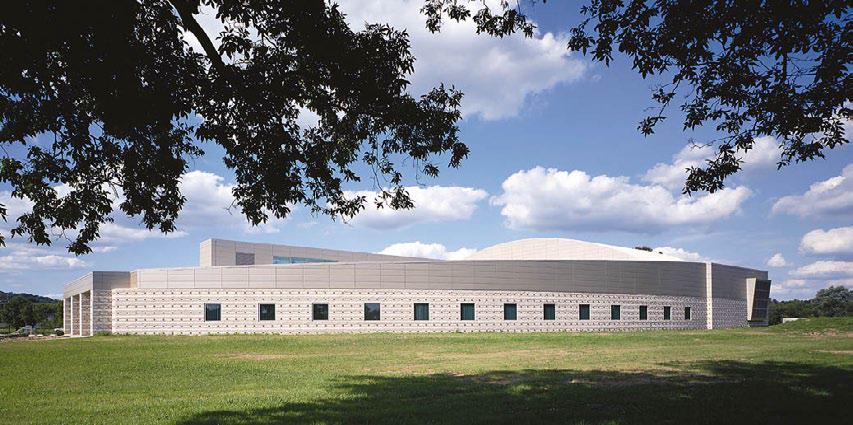
A subsequent section on Integrating Architectural Components is meant to help spur the imagination of owners, developers and architects toward targeted investment in architectural elements that may effectively inject innovation and quality into the design of buildings. These examples act as tools to show what others have done to respond to designated style. Associated images are meant to spur new ideas and innovative design, but none are mandated approaches.
Each design team must make decisions as to the architectural direction for their project. Based on specific needs, aesthetic preferences and construction budgets, all of the presented ideas can encourage new approaches and can be applied or modified to fit most any reasonable budget by how they are executed or by the extent of the quantities of materials used.
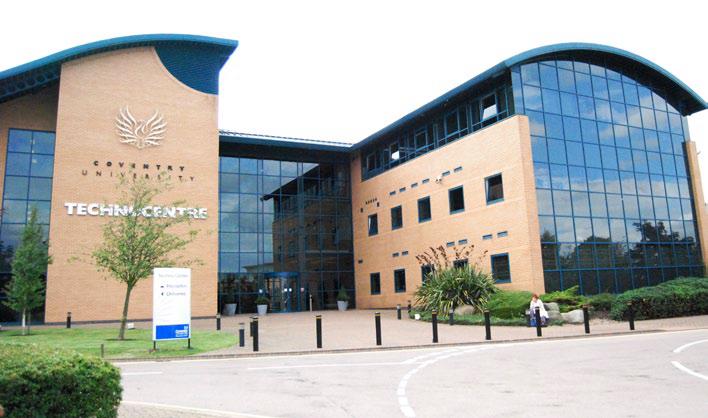
Buildings in the EAZ should be individually unique while matching a larger architectural style.
This is a SEO version of EAZ PLan. Click here to view full version
« Previous Page Table of Contents Next Page »