
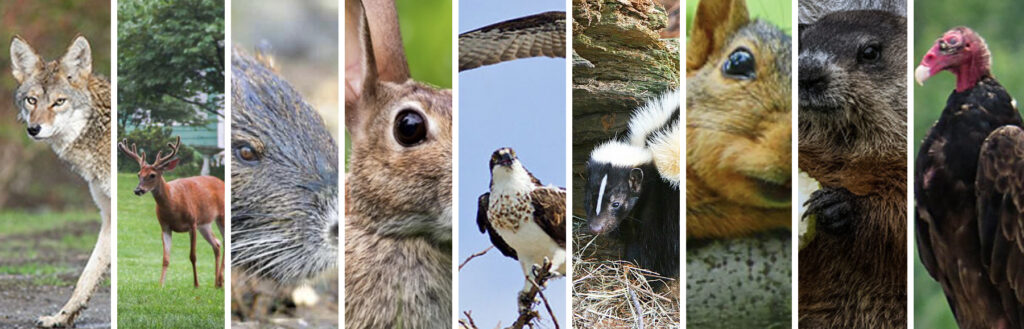
Overview
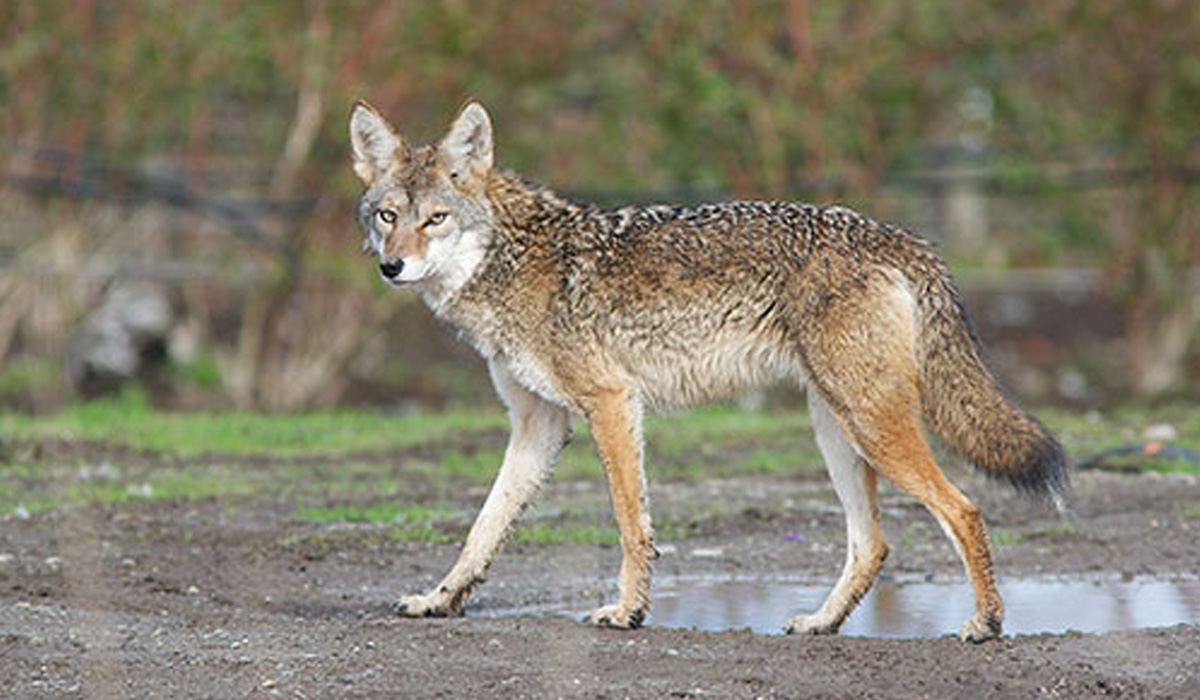
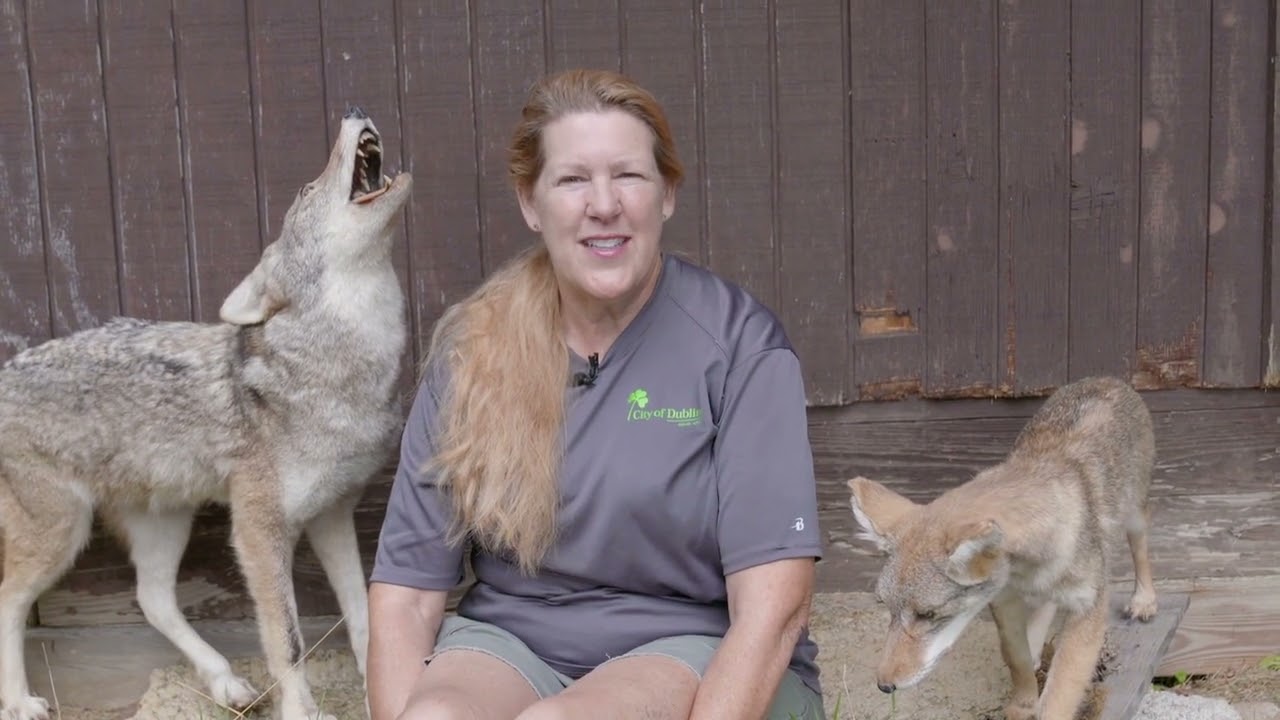
The coyote is generally a slender animal, very similar in appearance to a medium-sized dog. Since the coyote and domesticated dog are from the same family, the resemblance is more than a coincidence. Coyotes have a bushy tail which is usually tipped in black and is carried down at a 45 degree angle as the animal moves, unlike that of its other cousin the wolf. Most coyotes are gray, though some show a rusty, brown or off-white coloration.
SMART Coyote Safety and Guidelines to Follow
Coyotes Crossing a Yard or Street
Coyotes are most frequently seen and heard during mating season (January-March) and when juveniles start leaving the family pack (September-November). While normally fearful of people, they can sometimes be spotted crossing yards or streets. This behavior is not unusual, especially in residential areas bordering open space where coyotes find their natural prey. They may simply be taking a shortcut to their favorite hunting ground. This type of sighting generally requires no response other than making sure that pets and children are secure and that there is no likely food attractants present in the area.
Coyotes Lounging in a Yard or Approaching/Following People
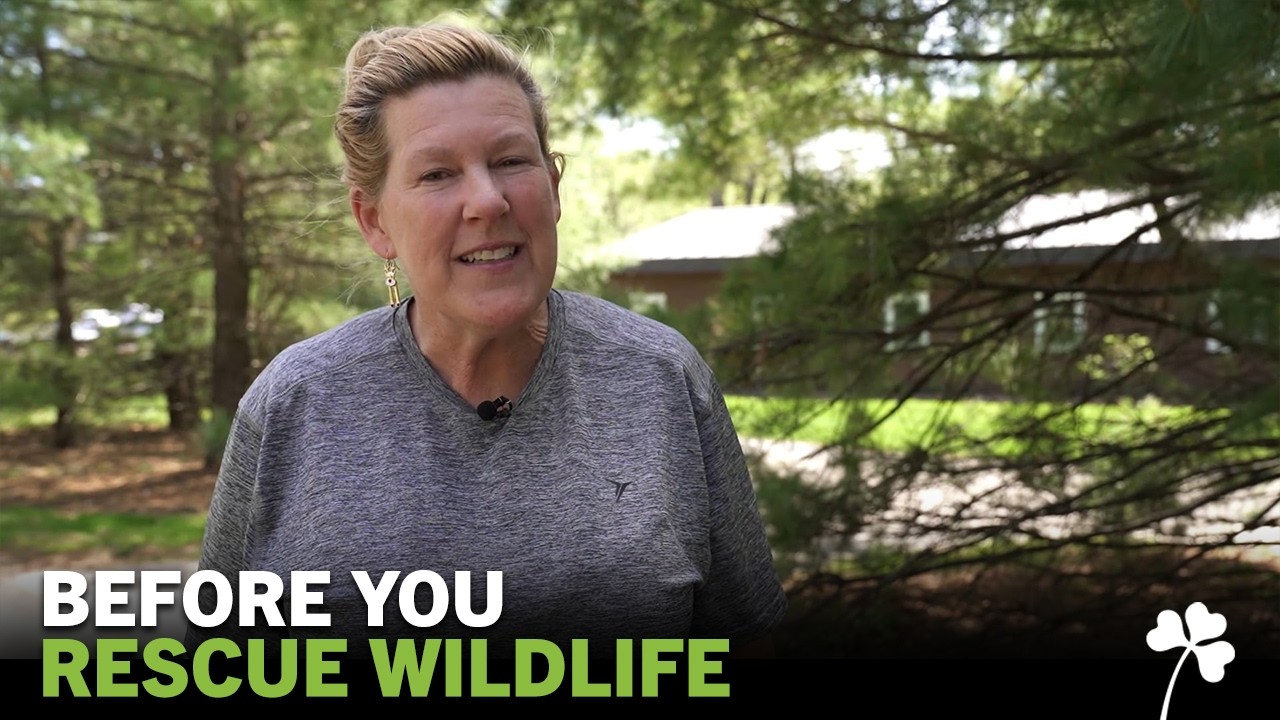
Coyotes are naturally timid animals and will usually flee at the sight of a human. If they linger or approach humans, it’s time to begin hazing. The effects of hazing may not last unless all food attractants are permanently removed. Hazing should never be attempted if the coyote is accompanied by pups or appears to be sick or injured. Leave sick or injured animals alone and contact the Dublin Police Department’s Non-Emergency line at 614.889.1112.
Be SMART
- Stop – stop moving
- Make yourself big – wave arms and fists
- Announce – speak forcefully and loudly… “Go away! Get out!”
- Repeat – do this several times until the coyote is out of sight
- Tell – tell others in the area, report the encounter to Dublin Nature Education (614.410.4730) or Police non-emergency line (614.889.1112)
How to Haze for Effective Reshaping of Coyote Behavior
Coexistence is not a passive undertaking
Hazing
Hazing is a safe, humane method of discouraging unwanted coyote behavior by using deterrents such as loud noises, water, lights, and physical gestures to instill fear of humans and keep coyotes out of neighborhoods.
When to Haze Coyotes
- A coyote approaches people or pets
- It lingers in yards, driveways, or near homes
- It repeatedly visits an area where it’s not welcome
Do NOT haze when:
- The coyote is minding its business or quickly moving away
- A coyote pup is present (parent may become aggressive)
- The coyote appears sick or injured — instead, call Dublin Police Non-Emergency: 614.889.1112
General Guidelines
- Match hazing to behavior: More aggressive hazing is needed if the coyote is bold or habituated.
- Consistency is key: Early on, be exaggerated and persistent. Coyotes will learn over time.
- Target groups or individuals: Dominant animals influence others — don’t back off if there are multiple coyotes.
- Vary tools and people: The more unpredictable and widespread the hazing, the more effective it is.
- Coyote must see the person: They must associate the deterrent with humans, not the environment.
- Coyotes are habitual: Track their routines to effectively interrupt them.
- Continue hazing long-term: Prevent new coyotes from becoming habituated.
- Human behavior matters: Remove food, trash, or shelter that may attract coyotes.
- Coyotes are naturally skittish: Boldness comes from learned behavior — often due to human tolerance or feeding.
- Ensure the coyote leaves: Don’t stop hazing too early, or the coyote may learn to wait it out.
How to Haze
- Noisemakers: Whistles, air horns, shouting, pots & pans
- Projectiles: Sticks, rocks, shaker cans, tennis balls
- Liquids: Water hoses, vinegar water spray bottles or guns
- Other: Pepper spray, bear repellent, walking sticks
Common Hazing Mistakes
- Stopping too early: Always continue until the coyote clearly leaves the area
- Letting coyotes return too easily: Increase hazing if they hesitate or return
- Hazing from hidden spots: Always haze from visible locations so the coyote links danger with humans
If Encountering a Coyote While Walking
- With a pet: Pick up small dogs, stay calm, and haze from your position
- If the coyote approaches: Stop, make yourself large, be loud, and throw objects if necessary
Key Contact
- Sick or injured coyotes — Dublin Police Non-Emergency: 614.889.1112
Bottom Line
Hazing is an effective, humane way to reinforce coyote fear of humans, promoting safe coexistence. Success depends on consistency, visibility, and community-wide participation.
Coyote Q & A
Q: Do coyotes ever attack people?
A: Coyote attacks on humans are rare and seldom result in serious injuries. Attacks have been reported in western states in urban areas where coyotes have lost their fear of humans but are very unlikely in Dublin.
Q: How do I keep my dog safe?
A: Coyotes often treat dogs as competitor-predators while “guarding” their hunting range. On rare occasions, an individual coyote will opportunistically take a small dog. Owners can prevent this by accompanying small dogs outside, especially in the early mornings and at night. While walking, dogs should be kept on no more than an eightfoot lead. Owners should keep an eye out for coyotes and
be prepared to pick up small dogs if a coyote is spotted. During nighttime and early mornings, owners should accompany dogs of any size outside.
Q: How do I keep my cat safe?
A: An indoor cat is safe. Generally, a cat that wanders will be at greater risk than one that stays near its home and has known escape routes. A roaming cat is more at risk for other dangers than a coyote attack.
Q: What are the benefits of coyotes?
A: Coyotes are considered a keystone species whose presence or absence has a major impact on the biological community. As top predators, they help balance prey species, such as rodents, rabbits, deer and geese. They also benefit the bird populations by preying on many of the small mammals that prey on birds, their young or their eggs.
Q: Should I be worried if I see a coyote in my yard?
A: Do not be afraid if you see coyotes crossing your yard or hear them nearby. In areas with mixed residential and natural landscapes, coyotes are around all the time, though usually they go unnoticed. They may take a shortcut through a yard on the way to hunt. If a coyote hangs around in your yard or does not run away when it sees a human, hazing is recommended.
Q: Do coyotes carry rabies?
A: While susceptible to rabies, coyotes are not frequent carriers. A sick coyote should be reported to law enforcement right away, as it can contract rabies from another animal, usually an infected raccoon, skunk or bat. Coyotes can be hosts to a variety of parasites, including ticks, fleas, intestinal worms and heartworms, and they may also be infected with canine distemper, parvovirus and mange.
For more information, reach out to the City of Dublin at 614.410.4730.
Overview of Muskrats
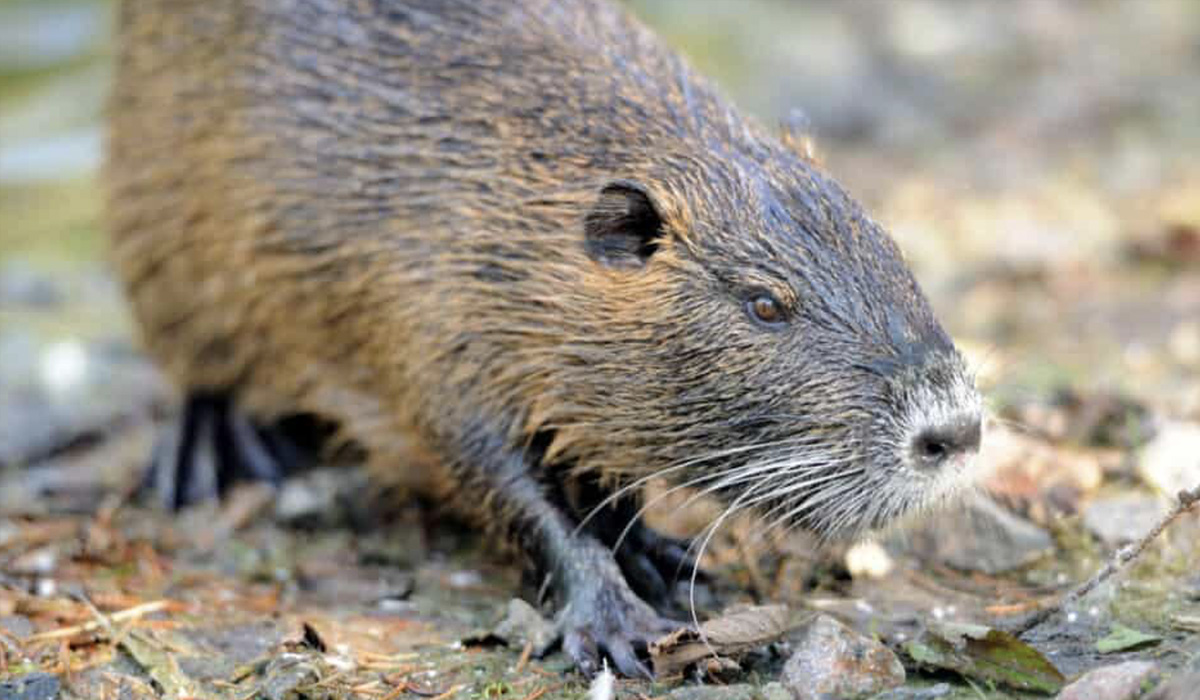
Muskrats are rodents that inhabit areas near water. If you have a lake or pond on your property, you may encounter them. While muskrats can weaken pond banks through digging, naturalized areas typically withstand their presence without issue. The City of Dublin generally does not intervene with wildlife on city property, but when conflicts arise, we prioritize humane solutions. This includes implementing engineering designs to prevent erosion and blockages in stormwater drainage.
Identifying Muskrat Activity
To identify a muskrat problem, look for signs like burrows, runs or dens near ponds. The first step in using deterrents is to pinpoint their entry points. While burrowing indicates their presence, other signs are often visible sooner. Walk the perimeter of your lakes or ponds to spot dens at the water’s edge, lodges made of cattail stems and runways created by muskrats. Once you find these areas, you can take effective measures to deter them.
Preventing Muskrat Attraction
Muskrats are opportunistic feeders attracted to properties with easy access to food. They eat aquatic plants like cattails and pondweed, as well as small animals like fish and snails. Around homes, spilled birdseed, pet food and grill drippings can also draw them in, especially at night. To deter muskrats, avoid feeding wildlife and keep outdoor areas clean to limit food sources. Reducing the available food will make your property less
appealing to them.
Detering Muskrats
Effective strategies for deterring muskrats include startling them, eliminating food sources, hiring pest control professionals and using predator scents near their habitats.
Repellents
Scent-based repellents are an effective and humane way to deter muskrats from your property. They overwhelm the animals’ sensitive sense of smell, making the area feel unsafe. For optimal results, apply these repellents in targeted problem areas, such as:
- Property edges and garden beds
- Near burrow entrances or disturbed soil
- Around trash cans or compost piles
- Close to ponds and waterways
Effective scent repellents include:
- Cayenne Pepper
- Predator Urine (Fox or Coyote)
- Garlic and Pepper Mixtures
Repellents need regular reapplication, especially after rain, as they fade over time. While scent-based deterrents aren’t foolproof alone, they can be effective in a broader muskrat prevention plan.
Devices and Pre-Made Repellents
Using ready-made repellents is an effective way to deter muskrats from your property. These products target various nuisance animals, offering a convenient, low-maintenance solution.
Pre-Made Repellent:
- Sprays: Natural Armor Animal and Rodent Repellent Spray repels muskrats, skunks and raccoons, with some formula lasting up to 90 days
- Granules: Repels-All Animal Repellent Granules can be scattered in areas of activity.
Motion-Based Deterrents:
- Sprinklers: Motion-activated sprinklers like the Havahart 5277 detect movement and spray water to startle muskrats.
- Predator Eye Lights: Light flashes that mimic predators.
Trapping Considerations:
- Trapping should be a last resort due to ethical and legal concerns.
- Removing one muskrat may invite another.
- Trapping can be costly and stressful
These commercial and physical deterrents are effective when used consistently together, creating an environment where muskrats are unlikely to settle.
For more information, reach out to the City of Dublin at 614.410.4730.

Overview of Rabbits
For nature-friendly gardeners, the best approach to wildlife issues is peaceful coexistence. To keep rabbits from eating your plants, use strategic methods rather than force. Start by understanding their behavior.
Think Like a Rabbit
Rabbits are prolific breeders; a single couple can produce 18 baby bunnies in one breeding season. To manage rabbit issues effectively, coexistence is key. These timid creatures tend to feed along the edges of gardens, preferring areas where they can quickly take cover. Reducing hiding spots, like brush piles and tall grass, can deter them from your garden.
While rabbits will eat almost any green plant when hungry, they prefer young, tender growth. Strengthening your rabbit protection early in the season can minimize damage later. They particularly enjoy alfalfa and clover, so planting these in your yard may attract them away from your garden veggies.
Control Options
There are three primary strategies for keeping rabbits from eating your favorite plants: coverage, repellents and fencing
Coverage
Use ¾” mesh fencing or poultry mesh to enclose vulnerable plants or create protective tunnels. For trees, wrap the trunk with hardware cloth or mesh at least one foot above anticipated snow levels, extending a few inches below the soil.
Repellents
If other food choices are available, rabbits may avoid certain crops using granular repellents, clip-on garlic odor repellents or fish emulsion. Sprinkling talcum powder or Epsom salts can also deter them. Products like Deer Scram and Milorganite have proven effective. If rabbits are already fond of a crop, repellents may not work. Repellent sprays can help disrupt feeding and allow young plants to grow. Most need reapplication every few days and after rain. Vapor chest rub can also be applied to leaves for multiple rain cycles.
Fencing
To keep rabbits out of your vegetable garden, a 2-foot poultry mesh fence (1″ diameter or smaller) is usually effective. Secure it to sturdy stakes and extend it 6 inches into the soil to prevent burrowing. Purchase 3-foot fencing for this setup.
For more information, reach out to the City of Dublin at 614.410.4730.
Lawn Damage From Raccoons
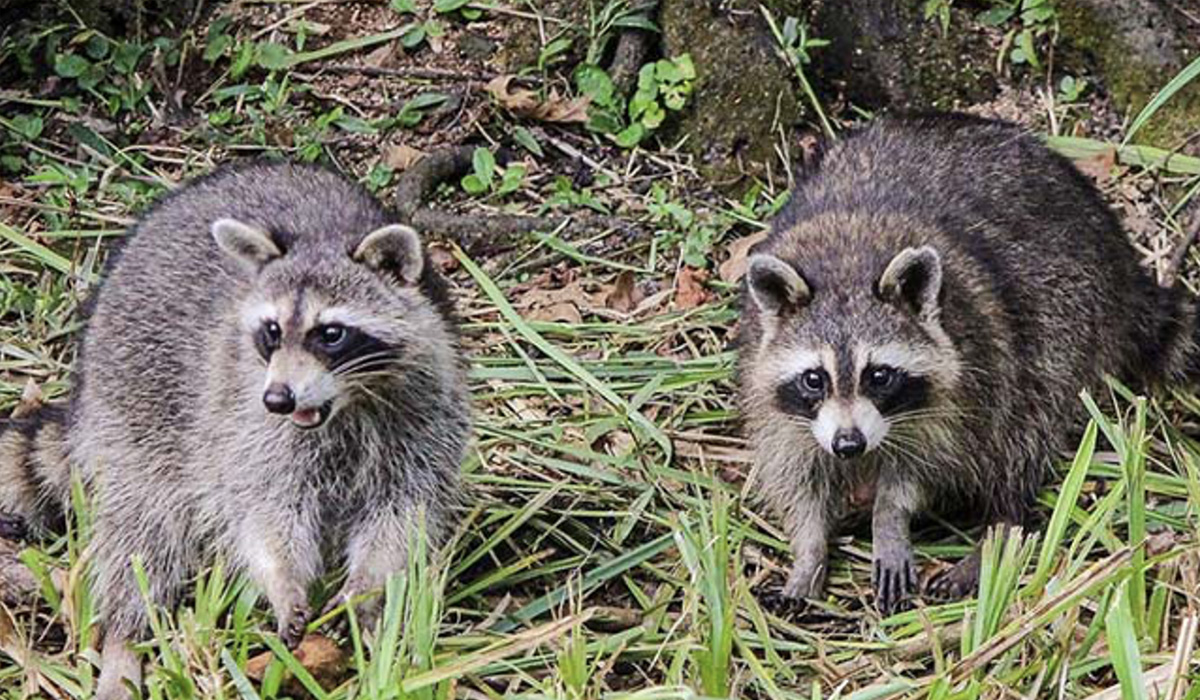
Many homeowners across the Midwest encounter a common challenge each year, especially in spring when the soil warms and grass begins to grow. Raccoons, being intelligent and persistent, can continue digging as long as they believe there’s food underneath.
However, there’s no need for concern. Understanding the issue can help us find effective solutions. If we make it harder for raccoons to dig and limit the food sources available, they are likely to look for food elsewhere.
Lawn Protection
Grub control is vital for lawn health, with timing being crucial. Apply beneficial nematodes between August and October, targeting vulnerable newly hatched grub larvae. Water thoroughly after application to keep the soil damp for effectiveness.
Late summer preventative treatments are especially important in grub-prone or raccoon-heavy areas. Grubs damage root systems and attract digging animals. To check for grubs, inspect a 1 sq. ft. section of turf.
If animals dig up the lawn, replace the turf, water it well, and apply a root-building fertilizer. In the long term, proper nutrition, fall aeration, and overseeding will strengthen and deepen your lawn’s roots.
For Added Raccoon Deterrence:
- Use cayenne pepper, coyote urine or commercial repellents
- Lay chicken wire loosely over dug-up areas
- Install motion-activated sprinklers
There are no guaranteed fixes, but combining proactive grub control, strong turf management, and deterrents can make your lawn far less attractive to masked diggers—and avoid the dreaded “mayday” call come spring.
For more information, reach out to the City of Dublin at 614.410.4730.
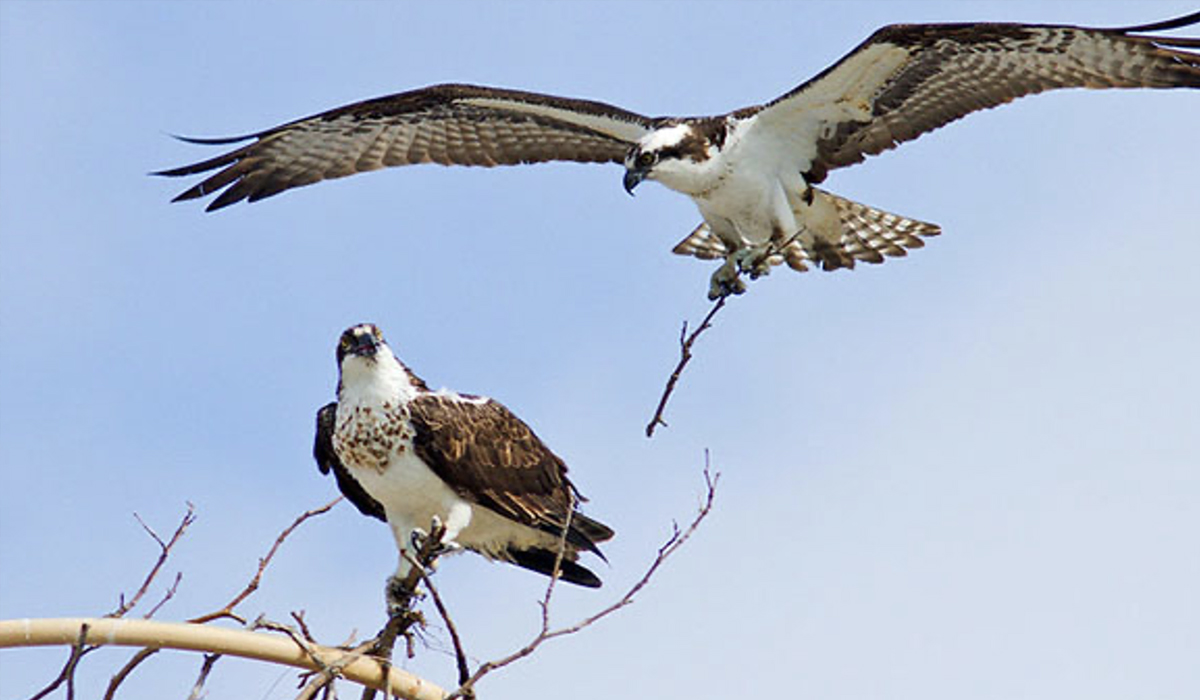
Overview of Raptors
The good news is that hawk attacks are rare and are not deadly. When hawks or owls dive-bomb at humans or pets, they are guarding their nest and rarely make contact.
On the rare occasion a raptor does make contact, this can result in minor cuts or scrapes. Such injuries should be treated medically to prevent infection, but the injuries themselves are not lethal to humans.
Can you harm a Hawk if it attacks you?
The short answer is no. Hawks have been protected under the Migratory Bird Treaty Act (MBTA) since 1918, which prohibits hunting, killing, or capturing them without special federal permits. In Ohio, state laws also protect birds, requiring state Division of Wildlife approval even with federal permission. Accidentally killing a hawk in self-defense may still result in fines.
Tips to Avoid Encounters with Raptors Defending Nests or Young
- Avoid the immediate nest area: If you see a nest or notice a raptor diving at people, alert your neighbors and avoid the area for a couple of weeks until the nestlings leave.
- Post a sign near the “hot zone”: Warn that a hawk or owl may dive at people to protect its nest. This period lasts about 30 days.
- Never turn your back: Hawks approach prey from behind. If a hawk threatens you, face it and don’t turn your back until it retreats.
- Wave your arms and be loud: Hawks are unsettled by loud noises and aggressive movements. Shouting and waving your arms can help intimidate a threatening hawk and make it retreat.
- Duck: Hawks attack by dive-bombing. If you see one coming, duck and move out of the way.
- Carry an umbrella: Walking with an open umbrella. It can protect against attacks and may discourage hawks from approaching.
What are Hawks afraid of?
To deter hawks from your yard, it helps to know what scares them. Fortunately, hawks are easier to scare off than larger birds of prey.
Some common things they’re scared of include:
- Loud noises: Shouting can discourage hawks from attacking, as they are easily spooked by loud noises.
- Threatening motions: Waving your arms can deter hawks, and setting up a flag may encourage them to leave your yard. Sudden movements can help scare them away.
- Deterrents: Scarecrows, fake owls, hanging old CDs from trees, or wearing a colorful hat can effectively scare hawks away.
For more information, reach out to the City of Dublin at 614.410.4730.
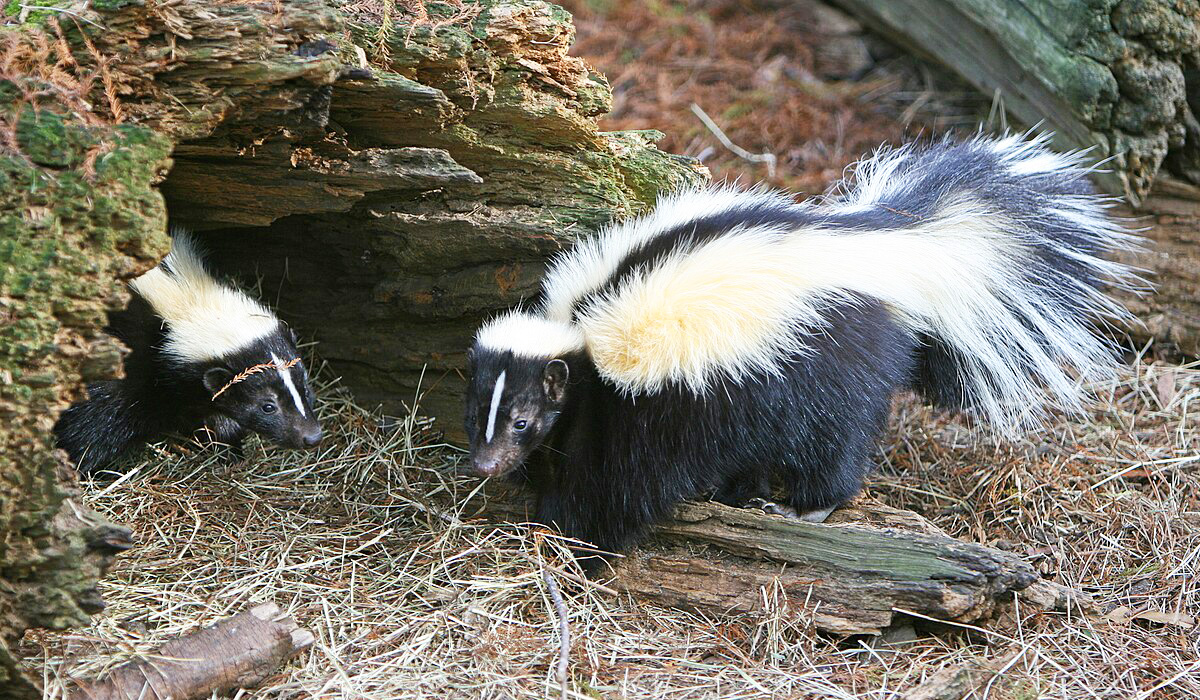
Overview of Striped Skunk
Skunks, part of the Mephitidae family, are known for their strong odor caused by thiols and thioacetates—sulfur-based compounds also found in garlic and onions. Most animals instinctively avoid thiols, though they’re used in small amounts in perfumes. Chemist Paul Krebaum developed a peroxide and baking soda mixture that neutralizes skunk musk by adding oxygen to the sulfur, effectively removing the smell.
De-Skunking Formulas for Pets and Home
- Best De-Skunking Products for Pets: Use “Skunk-Off” or similar pet-safe shampoo
- Homemade De-Skunking Shampoo:
o Wash With: 4 cups hydrogen peroxide, ¼ cup baking soda, 2 Tbsp Dawn dish soap. Use the solution immediately and rinse thoroughly within a few minutes. For black or dark-coated dogs, dilute the peroxide 1:1 with water to reduce the risk of coat lightening. You may need to repeat the wash 2–3 times to fully remove the odor.
o Rinse With: 1 cup of citrus Listerine diluted in 2 cups of water, or use a 1:2 mix of white vinegar and water, which will leave the coat squeaky clean.
o Face Spot Treatment: Apply regular Crest toothpaste (original formula) directly to the smelly fur or skin. Let it dry like a mask—it will flake off or can be brushed off the next day. Reapply as needed for 2–3 days until the odor fades - For Quick and Immediate Deodorization: Wet the coat with 4-8 cups of peroxide (diluted if needed), then rub in 1-2 cups baking soda.
- For Wood or Concrete Surfaces: 1 cup bleach per 1 gallon of water and rinse/wash.
- Clothing: Add de-skunk formula to a washing machine or use bleach for bleach-safe items (never apply formula directly to fabric).
- Time: Volatile chemicals like thiols will simply disperse over time.
- Resurgence: Thiols become activated in the presence of water. Moisture (rain, baths, humidity) can reactivate odor; some smell may return temporarily.
Peaceful Co-Existence with Skunks
Food and Attractant Control
- Do not feed skunks.
- Never discard edible garbage where skunks can get to it.
- Secure garbage containers and eliminate their odors.
- Keep fruit trees picked and don’t leave rotted fruit on the ground.
- Restrict the use of birdseed and keep areas under feeders very clean.
Den and Shelter Prevention
- Test holes for skunk presence and seal if vacant.
- Install one-way doors on entrances to skunk dens (not during baby season).
- Bury fences in a 12” L shape.
- Avoid thick shrubbery next to buildings.
- Cover window wells.
Repellents and Deterrents
- Use “Deer Scram!” or similar repellents.
- Place 2-3, ½ empty thin plastic water bottles in entryways. The crinkly bottles and moving water make skunks very wary and nervous enough to leave.
- Use lighting and a portable radio.
- Warn skunks by flicking lights before letting pets out.
Behavior and Safety Around Skunks
- Let a skunk exit on its own from a garage.
- Keep pet doors closed at night.
- Move calmly and quietly around a skunk to avoid being sprayed.
- Do not trap skunks — it’s not recommended and does not solve the issue.
For more information, reach out to the City of Dublin at 614.410.4730.
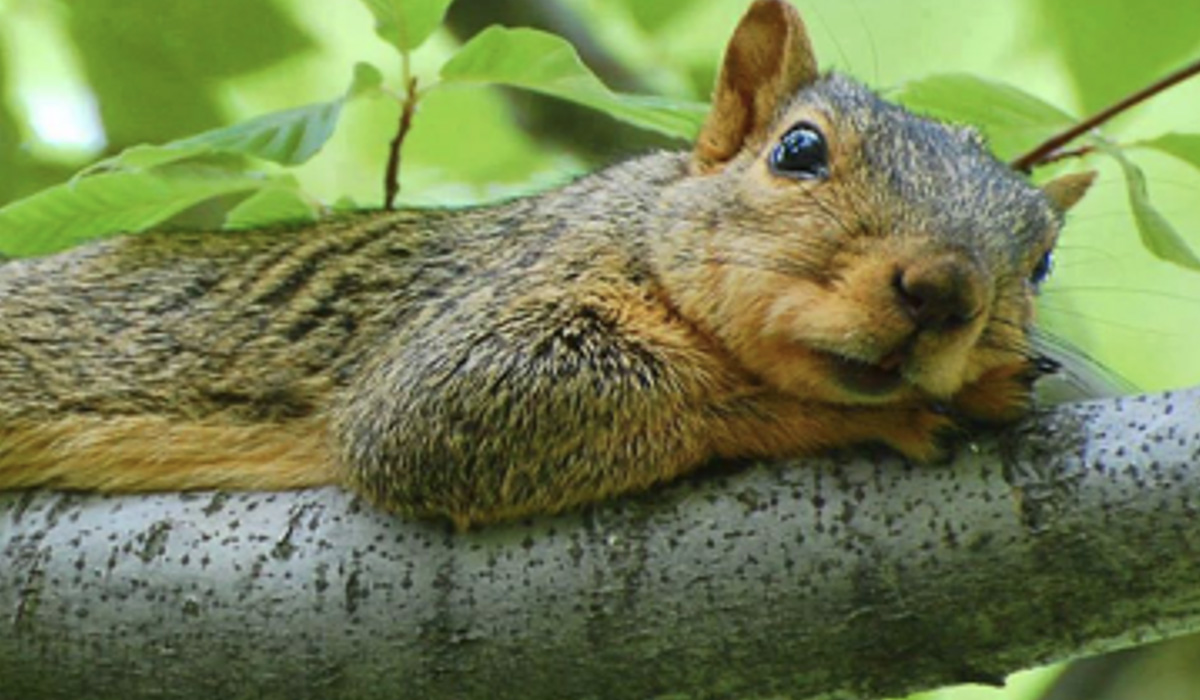
Overview of Squirrels and Chipmunks
Squirrels and chipmunks, often seen as harmless, can be destructive when they come too close to human spaces. Their instinct to bury food leads them to dig in flowerpots, damaging plants and bulbs. Their need to chew can result in gnawing on siding, wires, and vehicles, often attracted to tasty or scented materials like soy-based wiring. To address these issues, a mix of deterrents, physical barriers, habitat adjustments and strategic repellents can help discourage digging and prevent damage.
Protecting Potted Plants
To protect potted plants from squirrels and chipmunks, consider the following tips:
- Distasteful Mix: Add cayenne pepper, crushed red pepper, vinegar, peppermint oil or garlic to the potting soil.
- Homemade Repellent: Combine 2 tablespoons each of black pepper and cayenne pepper, one chopped onion and one chopped jalapeno. Boil for 15–20 minutes, strain and spray around the plants
- Use Blood Meal: Mix dried blood (blood meal) in the soil for nitrogen and to deter squirrels but avoid excessive use.
- Cover with Rocks or Mulch: A layer of decorative stones can deter digging. Alternatively, thick mulch is plant-friendly and can keep squirrels out.
- Scare Tactics: Hang shiny objects like CDs or aluminum pans or use colorful pinwheels to scare squirrels away.
- Physical Barriers: Cover plants with chicken wire or netting, especially in late summer. Alternatively, place wire mesh near the roots or use thorny plant stems to deter digging.
Preventing Structural Damage
- Inspect Exterior: Examine the exterior of a building, especially the eaves, for holes and cracks. Identifying the damage helps choose the best prevention methods.
- Seal Gaps: Seal holes with durable materials and cover vents and chimney caps with securely attached metal mesh.
- Use Repellents: Squirrels have a strong sense of smell and dislike for capsaicin, the compound in cayenne peppers. You can buy commercial squirrel repellents or make your own.
- Homemade Scent Deterrents: Combine 1 bottle of cayenne pepper sauce, 1 gallon of water and 1 teaspoon of mild liquid dish soap. Spray on areas where squirrels are active.
- Other Scent Deterrents: Vicks Vapor or Solstice Quick Rub can repel chipmunks and squirrels due to their odor. Apply to flashing or a material covering gnawed areas.
- Block Access: Make access harder by covering damaged areas with hardware cloth or tin; a pet dog outdoors can also deter squirrels by chasing them off.
- Trim Climbing Routes: Trim trees and bushes to prevent squirrels from jumping onto structures and chewing their way inside.
- Remove Food Sources: Remove or relocate bird feeders to discourage squirrels from lingering; they may chew on homes when feeders prevent normal tooth wear.
- Offer Chew Options: Offer alternative chew items like bones or branches, placing them progressively farther from the structure while using repellents to divert chewing away from the home.
For more information, reach out to the City of Dublin at 614.410.4730.
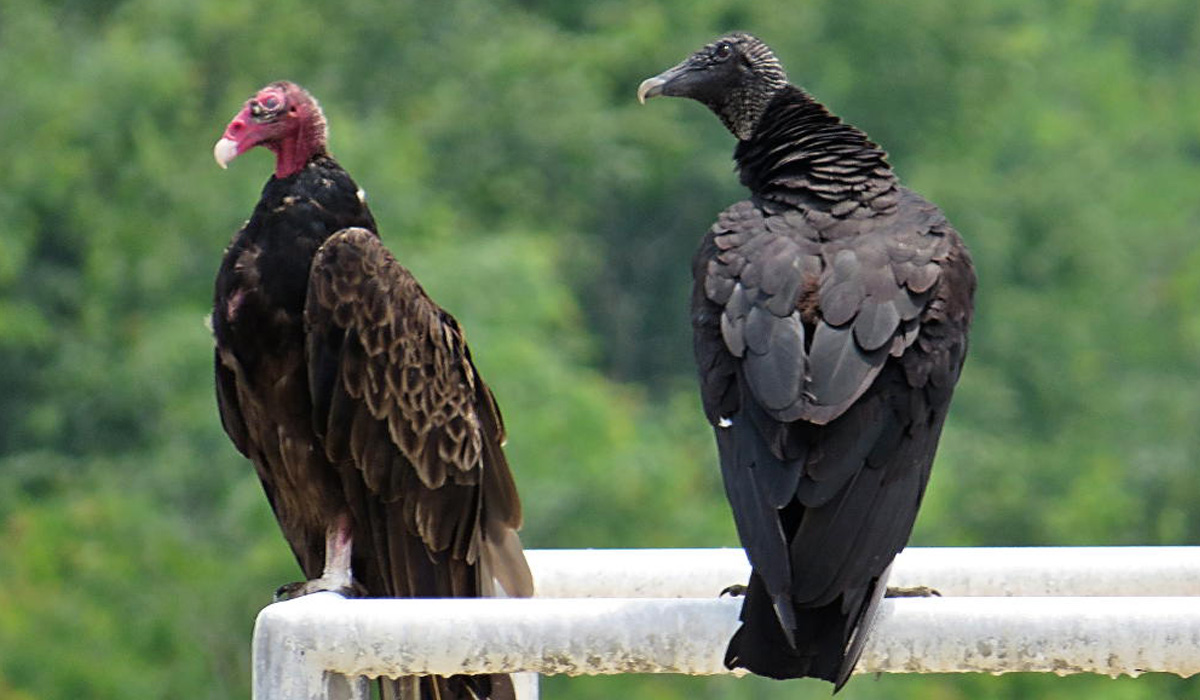
Overview of Vultures
Turkey and black vultures can cause significant damage when roosting in large numbers, but several humane, non-lethal deterrents, such as electric shock tape, roosting spikes, laser lights, vulture effigies and proper disposal of food and carrion, can effectively discourage them from staying in unwanted areas.
Vulture Control Strategies
Electric Brid-shock Tape
Bird shock tape is an effective, low-harm deterrent for heavy, destructive vultures. When placed on roosting spots and connected to a charger, it delivers a mild shock that drives vultures away without injury—ideal for covering up to 50 feet of space.
Laser Light
Laser deterrents scare vultures by projecting unpredictable, moving lights that make birds feel unsafe. They cover large areas, are easy to set up, and work without harming birds or the environment.
Roosting Spikes
Roosting spikes make surfaces uncomfortable and unusable for vultures, which need wide, flat ledges to perch. Cover all potential roosting spots, or they’ll simply move to unprotected areas.
Remove Carrion Immediately
Vultures are attracted to carrion like roadkill or predator leftovers, so proper disposal is important. Small animals can be double-bagged and placed in the Rumpke bin for regular pick-up. If it’s warm and not close to trash day, leave the bag curbside and submit a GoDublin request. For larger animals, contact the city with the location, type of animal, and how to access it for removal.
Dispose of Garbage Properly
Dead animals are obvious attractants, but meat scraps or smelly trash can also keep vultures hanging around.
Vulture Effigies
A vulture effigy mimics a dead bird and can be hung anywhere vultures roost. Movement in the wind creates a realistic, unsettling image that scares them off. For best results, hang it upside down and relocate it weekly. Commercial or DIY versions using lightweight black cloth both work well.
For more information, reach out to the City of Dublin at 614.410.4730.

Overview of Woodchucks
Woodchucks can cause problems, but they can be managed effectively. The best deterrents focus on addressing the root causes of conflict. They may damage crops from mid-March to October, while winter damage typically comes from deer or rabbits. Additionally, their burrows can threaten the foundations of buildings like barns or sheds.
Common Problems and Solutions
Tolerance
Woodchucks play an important ecological role by serving as food for predators and providing shelter for other animals. Their burrows aid in soil drainage and aeration. As “hindgut fermenters,” they also help in seed dispersal, promoting plant growth. If there’s no conflict with humans, it’s best to leave woodchucks undisturbed.
Evicting from a Property
If woodchuck burrows are problematic, eviction and exclusion are best. Harassing the animal can drive them out, but it should be done humanely and within a limited timeframe.
Timing
Avoid evicting woodchucks during the breeding season from March to early summer, as females have dependent young. The best eviction period is mid-summer to early October. If you see young woodchucks above ground, wait two weeks before evicting to ensure they are independent.
Hazing Burrows
To evict woodchucks, try these methods:
- Partially dig out the entrance and clear vegetation.
- Place strong-smelling substances, like urine-soaked litter, inside the entrance.
- Loosely seal the entrance to trap the smell.
- Use 2-4 crinkly plastic water bottles filled 1/3 with water at the entrance. The noise and movement often drive woodchucks away.
- Predator Eyes, flashing lights mimic a predator.
- For burrows near structures, use a bright clamp aimed at the entrance.
Closing Burrows
To check if a burrow is unoccupied, loosely plug the entrances with grass clippings or newspaper for three to five days. If the material stays undisturbed, the burrow is likely vacant. To close it, use 3×3-foot sections of heavy-gauge welded wire (max 3-inch squares), bury it at least 1 foot deep over the entrance and secure it with landscape staples if necessary. Backfill with local substrate.
Fencing
To protect gardens from woodchucks, use fencing that is best for small areas. A perimeter fence should:
- Be made of chicken or welded wire with 3-inch mesh.
- Stand 3-4 feet tall.
- Have 12-18 inches of loose top fencing to wobble when climbed.
- Include a strand of electric fencing 4 inches off the ground to prevent digging.
To create a more rigid fence, bend the top outward at a 45-degree angle. Electric fences are effective with one strand 4 inches above the ground or two if needed. Solar-powered options are portable and easy to set up. Woodchucks can easily reopen old burrows, even years later.
Scare Devices
Woodchucks are easily startled by new objects. Try placing Mylar® balloons, beach balls or lawn chairs near their burrows. Move or change these items daily for better results, as scare tactics work best when varied frequently.
Habitat Modification
Woodchucks prefer dense vegetation for cover. Clearing vegetation around burrows can make them feel unsafe and, combined with other methods, may encourage them to leave. Keeping grass and undergrowth low also helps prevent new burrows near buildings. Burrows are often abandoned for weeks or months before being reused.
Repellents
No commercial repellents are approved for woodchucks, but some home remedies help. Epsom salt may deter browsing and benefit plants. A vinegar, egg yolk and water spray can also discourage chewing, but needs frequent reapplication, especially after rain.
Menthol-eucalyptus chest rub can be applied to the outer leaves of key plants, providing a strong scent that lasts for about a month. This scent can help repel rabbits, deer, squirrels and chipmunks, preventing them from gnawing on or consuming the plants.
For more information, reach out to the City of Dublin at 614.410.4730.

Watch
9 Videos







DCRC Regular Building Hours
- Monday – Friday: 5:30 a.m. – 9:30 p.m.
- Saturday: 8 a.m. – 8 p.m.
- Sunday: 8 a.m. – 8 p.m.
2026 Modified Hours
- New Year’s Day: Thursday, Jan. 1, 2026 open from 8 a.m. to noon
- Easter: Sunday, April 5 – CLOSED
- Memorial Day: Monday, May 25 open 8 a.m. — noon
- Independence Day: Saturday, July 4 open 8 a.m. — noon
- Labor Day: Monday, Sept. 7 – CLOSED
- Thanksgiving: Thursday, Nov. 26 open 8 a.m. — noon
- Christmas Eve: Thursday, Dec. 24 open 5:30 a.m. — 4 p.m.
- Christmas: Friday, Dec. 25 – CLOSED
- New Year’s Eve: Thursday, Dec. 31 open 5:30 a.m. — 4 p.m.
- New Year’s Day: Friday, Jan. 1, 2027 open 8 a.m. — noon
2026 Dublin Irish Festival Special Hours
- Friday, July 31 open 5:30 a.m. — 2 p.m.
- Saturday, Aug. 1 open 7 — 10 a.m.
- Sunday, Aug. 2 – CLOSED
2026 Annual Cleaning, Maintenance & Repairs
The Dublin Community Recreation Center (DCRC) will be closed Saturday, Aug. 29 through Monday, Sept. 7, 2026 for annual cleaning, maintenance and repairs. The DCRC will reopen at 5:30 a.m. Tuesday, Sept. 8. Offices will be staffed for phone calls from 8 a.m. to 5 p.m. Monday through Friday. For additional closings and construction updates visit our website.
Bocce Ball Courts
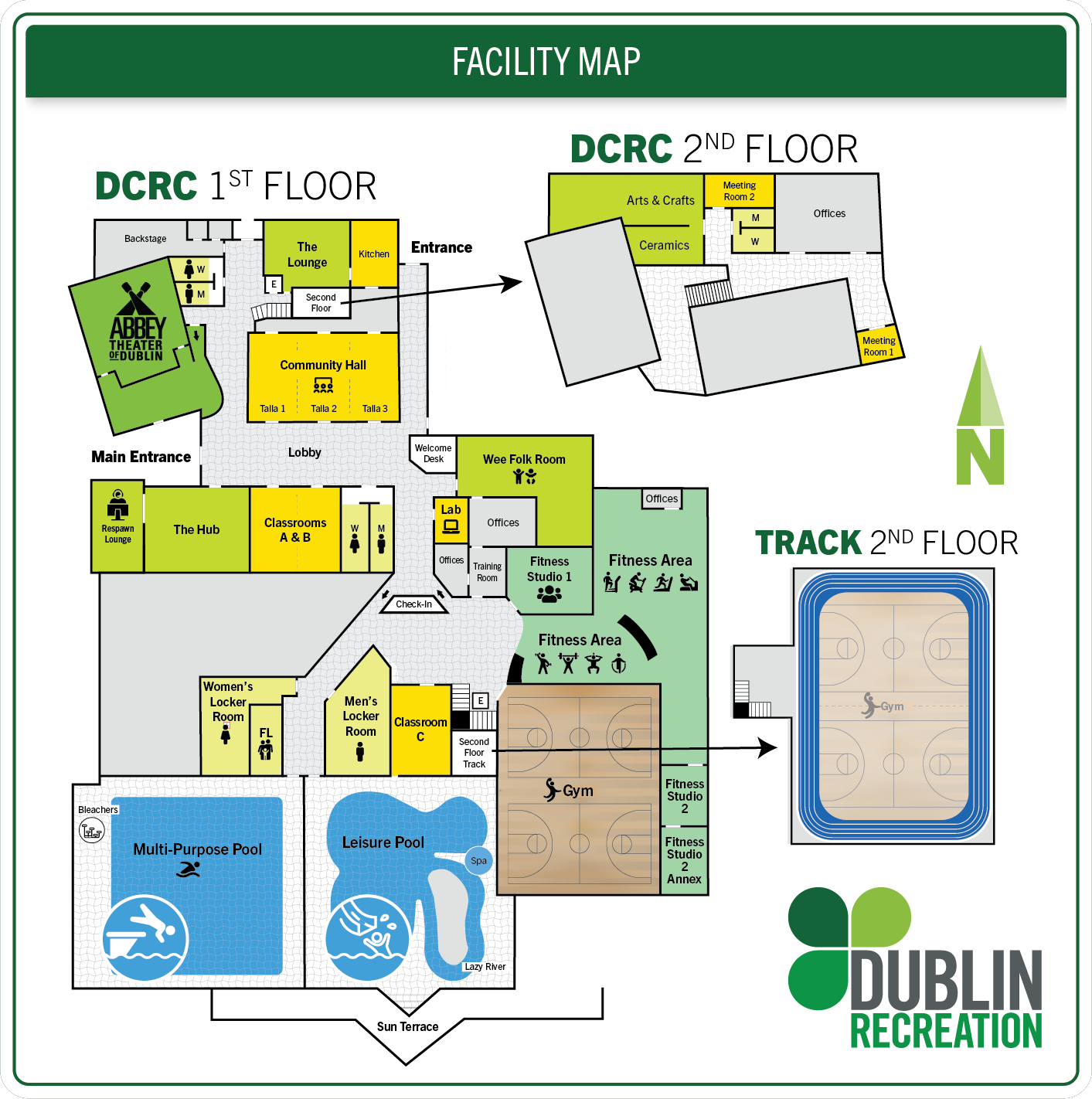
Two regulation bocce ball courts are available for bocce play or functional fitness. Bring your own bocce ball set!
Classrooms
The classrooms house a variety of programs, including pottery and arts & crafts—meeting the needs of preschoolers, children, teens and adults.
Community Hall
The Community Hall provides space for parties, receptions, meetings and community events. The facility seats up to 280 or can be divided into smaller rooms.
Abbey Theater of Dublin
A 200-seat theater can be used for musical, theatrical and dance performances; film/video; lectures; and seminars.
Computer Lab
Equipped with workstations and a variety of software programs, the computer lab provides high-speed Internet access and opportunities for beginning and intermediate instruction. Open to ages 18 & up.
Locker Rooms/Private Changing Rooms
Men’s and women’s locker rooms are available, each with restrooms, showers, lockers and changing areas. Bring your own lock and a towel. A number of limited private changing rooms are also available with their own shower, restroom and adjacent lockers. One changing room, designed for people with special needs, features an adult changing table. Private changing rooms are intended for families, transgender individuals and those with special needs.
Fitness Area
Looking for free weights and cardiovascular equipment? Check out the fully equipped fitness area on the first floor. You will find treadmills, elliptical machines, bicycles and stair steppers along with free weights, plate-loaded machines and a complete set of Cybex strength equipment. Please note that we are not equipped as a powerlifting or CrossFit facility.
*Ages 16 and up or those ages 12-15 with a Jr. Fitness card.
Group Fitness Studios
If you enjoy group fitness, check out the myriad of classes offered. Two state-of-the-art studios feature suspended floors to help reduce impact and injury. Several pass options are available, allowing participants to choose from a weekly schedule of classes that include Barbell, Zumba and PIYO.
Gymnasium
Looking for a play to play basketball, volleyball, pickleball or badminton? The gymnasium offers courts with designated time for individual sports, recreational programming and open play. Utilize our equipment on site or bring your own! Gymnasium schedules change weekly; look for the latest schedule on our website or Dublin Rec App.
Jogging/Walking Track
Joggers and walkers on the second floor track can cover a mile in 13 laps. An expanse of windows provides views of the pools and the outdoors, while looking over the gymnasium. Take advantage of the views while using additional cardio equipment or the stretching area.
*Ages 13 and up or those ages 10-12 with a Jr. Track card.
Multi-Purpose Pool
The competitive/lap pool measures 25 yards by 25 meters and has two one-meter diving boards. This pool often is divided for activities such as water fitness, open swim, swim team practice and instruction. Bleachers provide ample seating and a separate entrance makes it perfect for area swim meets. The natatorium walls in both the lap and leisure pools are lined with sound-absorbing material.
Leisure Pool
A unique feature of the DCRC is the leisure pool, which includes a lazy river, frog slide for children, double helix slide for those a little more daring and a zero-foot entry point for cautious tots. The warmer water and 3.5-foot maximum depth make this pool perfect for children, adults and seniors.
The Lounge
The Lounge is a space with comfortable seating, tables and chairs suitable for card play, games, checking social media or socializing. The space is available for adults when no activities are scheduled. Please check in with staff upon entry.
The Hub
This space offers amenities for all ages, including a comfortable workspace, multimedia wall, Xbox Series X, Nintendo Switch, seating and a ping pong table. Teens need a Hub ID card from the DCRC Welcome Desk or Hub Attendant.
Respawn Lounge
The Respawn Lounge is a brand new addition inside The Hub and offers 16 Alienware Gaming Desktops with Andaseat Phantom series gaming chairs. Open play, program opportunities and party packages are available.
Wee Folk/Youth Lounge
Babysitting services are available for children ages six weeks to 12 years while parents or guardians work out on-site, attend a class or relax at the pool. Under supervised play, children can enjoy the indoor or outdoor area or engage in age-appropriate games and activities for up to two hours.
Courtesy & Rules
Hours of Operation
Our parks are open for your enjoyment from dawn to dusk, unless otherwise noted at the park or during certain special events.
Shelters/Pavilions
A number of our shelters and pavilions are available to reserve on a first-come, first serve basis. Please be courteous of your neighbors and abide by your reservation times.
Keep it Clean
We’re sure you’ll find Dublin’s parks and bikeways to be clean, beautiful places to enjoy with your family. The City strives to keep its parks, playgrounds and bikeways clean and free of litter. Please leave the parks as clean as you find them so that others will enjoy them as much as you do. Disposal of litter in public places is prohibited unless placed in public trash containers or using City-authorized containers as part of the City’s refuse, recycling and yard waste collection programs.
Pets
We know your furry friends enjoy nature as much as you do. We ask you to be safe and courteous with your pets.
Animals may not run at-large in our parks. All animals must be under the owner’s control at all times. All pets must be securely leashed, kept in a vehicle or suitably caged.
Animal owners also must pick up and properly dispose of any fecal matter left by their pets. It’s not just courteous — it’s the law!
Horses
Horses are allowed in designated areas of Glacier Ridge Metro Park.
Hunting and Fishing
For the safety of our residents, hunting is forbidden in the City. Fishing is permitted in designated areas, including certain City park ponds and in the Scioto River (with a license). Please fish only in ponds where signs prohibiting fishing are not posted.
Respect our Parks
Plants and animals also are part of the Dublin community. Please respect the plant and animal life and ecosystems of our natural areas. Enjoy the flowers, trees and other flora without picking or damaging plants. Touching or disturbing wildlife, including animal and bird nesting areas and eggs can be dangerous to humans — not to mention our flora and fauna! And please do not damage or remove any property or natural feature, including stones and minerals, earth, wood, and nuts. Take only pictures and leave only footprints in our parks.
Rules & Regulations
Dublin Recreation Services is committed to providing quality recreation programs and facilities for the Dublin community. Use of the facilities by families and citizens is strongly encouraged. The following policies have been established to operate the DCRC and to ensure our patrons quality and safe recreation experiences:
- Proper and valid identification is required to gain access to the DCRC. Users of the DCRC need to check in at the front desk and provide annual pass, resident card, temporary pass or pay the daily pass rate for admittance.
- Annual pass holders who do not present their annual pass will only be admitted if an alternate form of photo identification is produced.
- Resident card holders must present their Dublin Resident ID card each visit to receive the daily pass discount rate.
- Annual passes are not transferable and will be deemed void when in the hands of those other than the proper registrant.
- The DCRC and its grounds are smoke- and alcohol-free environments by City ordinance.
- Eating and drinking is permitted in designated areas only.
- Children ages 9 and under must have adult/guardian at least 16 years of age supervising at all times. Supervising adults must keep children ages 4 and under within arm’s reach; there must be at least one adult for each two children in this age group. Children ages 5 through 7 must be within sight of their attending adult at all times. Children ages 8 and 9 must have an adult in the facility at all times. For children ages 5 through 9, there must be one adult for every five children. Children ages 10 years and over may enter the facility without an adult supervisor.
- Youth must be 16 years of age or older to be on the fitness floor. Youth ages 12 – 15 years are permitted on the fitness floor if directly supervised by an adult or if they have passed the Junior Fitness Card Program (see Fitness Program Section). Youth under the age of 12 years are not permitted on the fitness floor area at anytime.
- Youth must be 13 years of age or older to be on the track or in the track stretching areas. Youth ages 8 – 12 years are permitted on the track if directly supervised by an adult or if they have passed the Junior Track Program (see Fitness Program Section). Youth may enroll in the Junior Track Program if they are ages 10-12. Youth under the age of 8 years are not permitted on the track at anytime unless utilizing the pool observation area with an adult.
- Changes in recreation schedules may occur without notice. Staff will post changes in the schedule with as much advance notice as possible. Current pool, aerobics and open gym schedules are available at the Front Desk.
- Dublin Recreation Services is not responsible for lost or stolen articles. It is strongly recommended that you lock your possessions in a locker during your visit to the DCRC.
- Lockers are available on a first-come, first-served basis. Locks may not be left on lockers overnight. Locks which are left overnight will be removed by staff.
- All participants must observe the rules and regulations relating to the safety and operation of the facilities. Any passholder who fails to comply with the rules and regulations of the DCRC will be subject to the following penalties:
- One week’s suspension from use of the facilities upon the first incident;
- Thirty days suspension from use of the facilities upon the second incident;
- One year suspension from use of the facilities upon a third violation; and
- Permanent suspension from use of the facilities upon any subsequent incident.
The following activities, although not an exhaustive list, are examples of behaviors that will result in disciplinary action and police reports when applicable:
- Fighting
- Stealing
- Property Damage
- Disorderly conduct
- Criminal damage
- Verbal abuse of staff and/or patrons
- Not following posted policies and rules
Parks & Recreation
Recreation Services
614.410.4550
Parks, Shelter Houses & Kaltenbach Rentals
614.410.4510
24-Hour Information Hotline:
614.410.4946
Dublin Community Recreation Center Rentals
614.410.4550
Report an Issue
Request a service or report an Issue.
Tell Dublin
Send us your public input.